
On March 8, 2026, grassroots organizations from Toronto and the Greater Toronto Area—including Hope for Refugees International, Kenya Women in Canada Association (KWICA), Tanzania Women Association in Canada (TWAC), Toronto People with AIDS Foundation (PWA), Canadian Centre for Women’s Empowerment (CCFWE), Southern African Women Support Centre, Southern African Settlement Support Centre (SAWS Centre), The Amara Girls Initiative (TAGI), Centre for Black Development Options, Fix It Flow Hub, Crisis in Our City Network, PESBORD, Women Won’t Forget Network, The I Do Project, The Viral New You, and many others came together as a powerful and united force. An unstoppable movement for the International Women’s Day Community Gathering and Celebration.
The gathering brought together women leaders, survivors, community advocates, gender equality advocates, queer communities, families, youth, newcomers, refugees, migrants, professionals, and allies to celebrate community leadership while also confronting the ongoing realities of gender-based violence, systemic discrimination, and social inequality that continue to affect many women and girls.
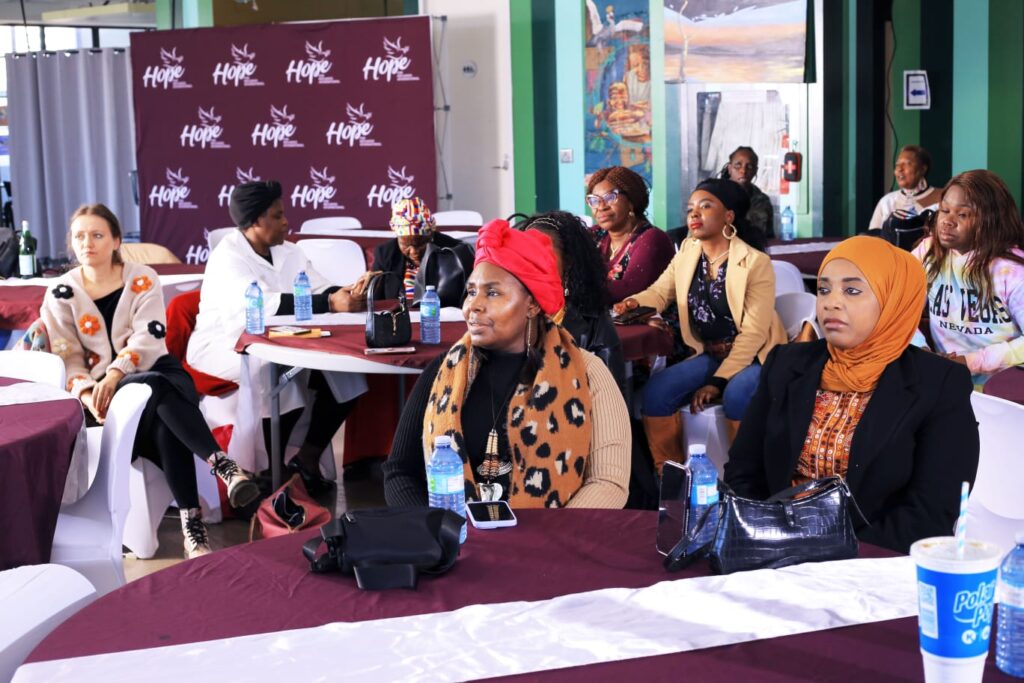
Under the UN Women International Women’s Day 2026 theme, “Rights. Justice. Action. For ALL Women and Girls,” communities mobilized not only to celebrate progress but also to demand equal rights, equal justice, and real accountability. Alongside this call, community partners gathered under the powerful global theme for the year: “Give to Gain.” The theme reminds us that meaningful progress toward gender equality requires intentional investment in women’s safety, rights, and leadership.
When we invest in women, we strengthen families, communities, and societies.
More than just a celebration, the gathering was a collective moment of reflection, solidarity, and action.
Why Centering Marginalized Women Matters
The conversations throughout the day highlighted an important truth: while governments at all levels, including the City of Toronto, the provincial and federal governments have made important commitments to advancing gender equality and addressing gender-based violence, many women continue to face systemic barriers that expose them to violence, exploitation, and exclusion.
These realities are particularly evident for:
- Black women
- Refugee, immigrant, and newcomer women
- Indigenous women
- Women living with HIV
- Transgender and queer women
- Women facing housing insecurity or homelessness
- Women navigating poverty, unemployment, and food insecurity
These communities continue to confront intersecting forms of discrimination, including racism, sexism, xenophobia, homophobia, transphobia, trafficking, and economic inequality.
Despite these challenges, grassroots organizations led by marginalized women are often severely underfunded and excluded from policy and decision-making spaces, even though they are the ones providing frontline support to survivors and vulnerable communities.
“When communities gather in solidarity, we create the courage to confront systems and advocate for justice and healthcare equity for immigrant communities.”
— Susan Shumba, Founder & Director, Southern African Women Support Centre & Southern African Settlement Support Centre
From Survival to Leadership: Women Leading Change
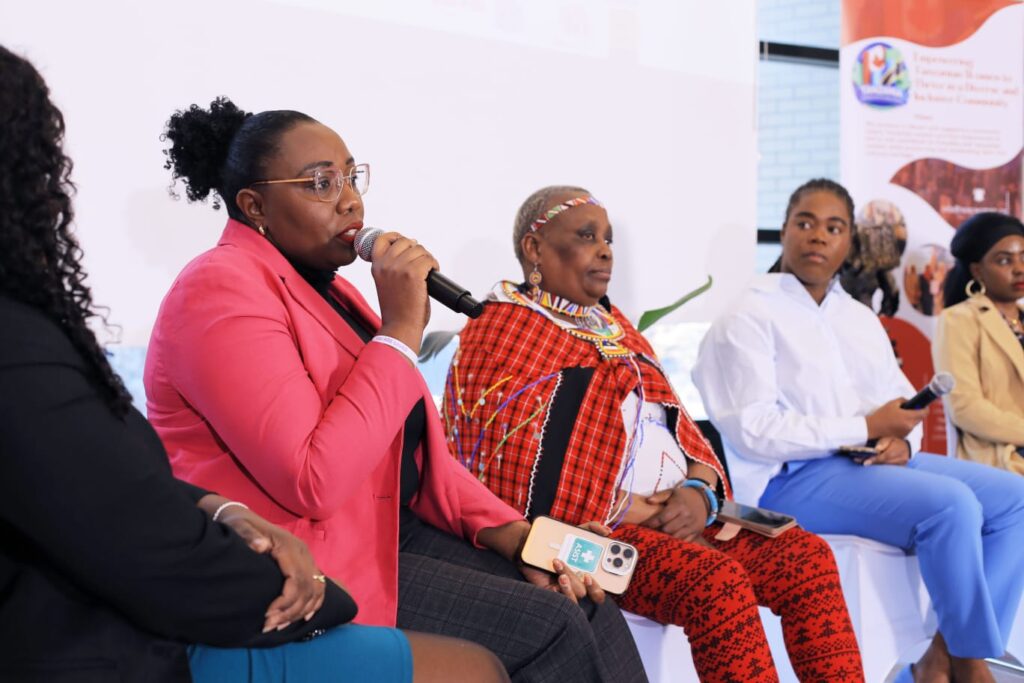
A key highlight of the event was a powerful panel discussion titled:
“From Survival to Leadership: Women Leading Change in Our Communities.”
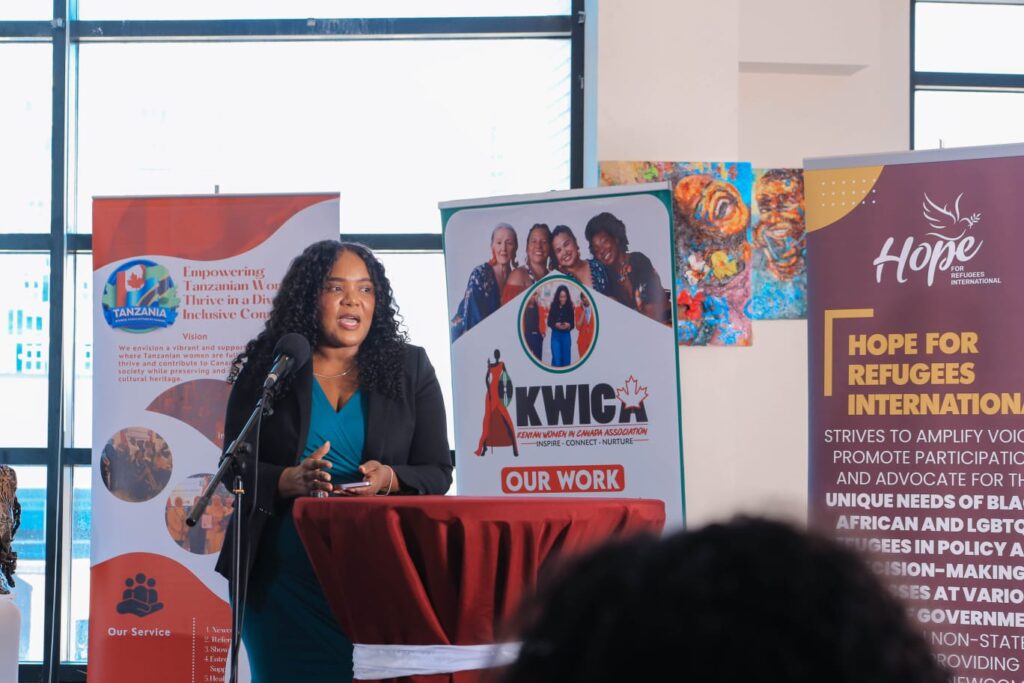
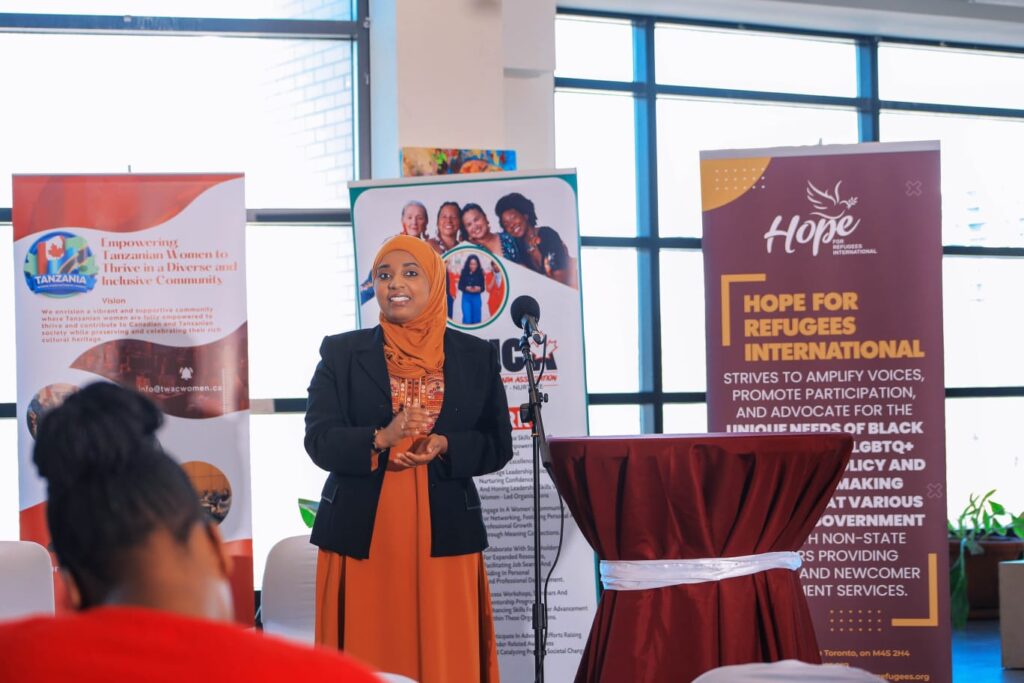
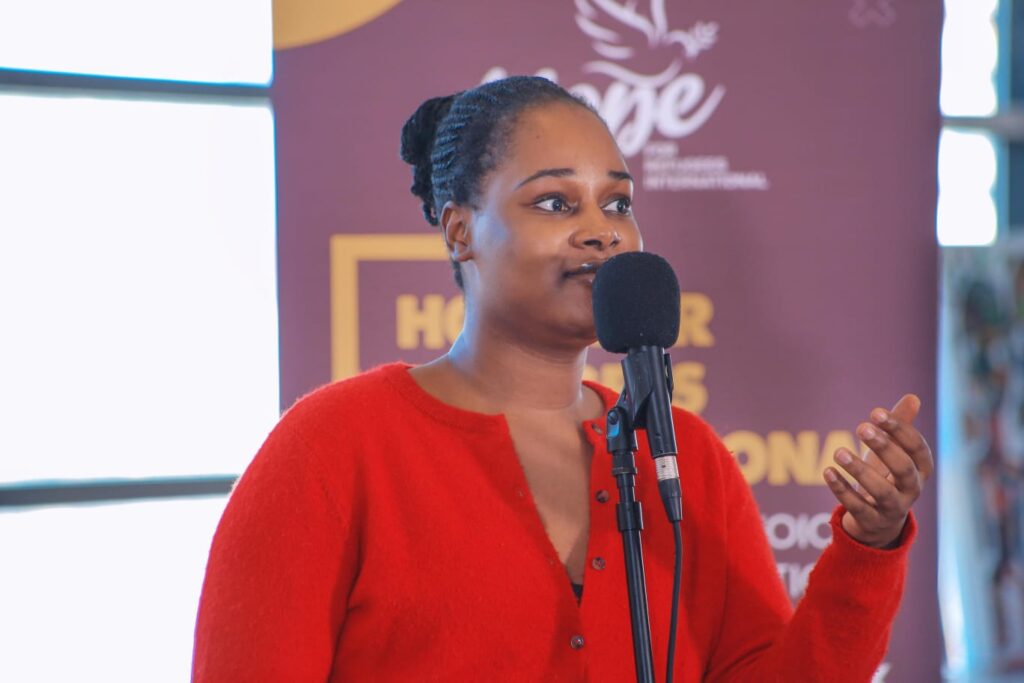
Panelists Pauline Mwangi (KWICA), Nichola Williams (CCFWE), Susan Shumba (SASS Centre), and Daphine Mugyenyi Marunga (TAGI) shared reflections on the realities many women face and the leadership emerging from grassroots communities.
Through storytelling and dialogue, panelists reflected on their journeys navigating migration, systemic barriers, economic hardship, and gender-based violence. Many immigrant and refugee women have had to rebuild their lives while confronting discrimination, precarious employment, and limited access to housing and social services.
Yet despite these barriers, the panel highlighted the extraordinary resilience of women who have transformed personal struggles into leadership, advocacy, and community service.
“Moments like these remind me why we continue to create spaces that uplift women and girls, amplify their voices, and support their growth. Witnessing diverse women leaders and community members working together toward a future where every woman and girl can thrive was truly powerful.”
— Daphine Mugenyi Marunga, Founder & CEO, The Amara Girls Initiative (TAGI)
The conversation also emphasized the importance of community solidarity, mentorship, and leadership development to ensure that women—particularly those from marginalized communities—can fully participate in shaping the future of their communities.
Honoring Women Who Lead Change
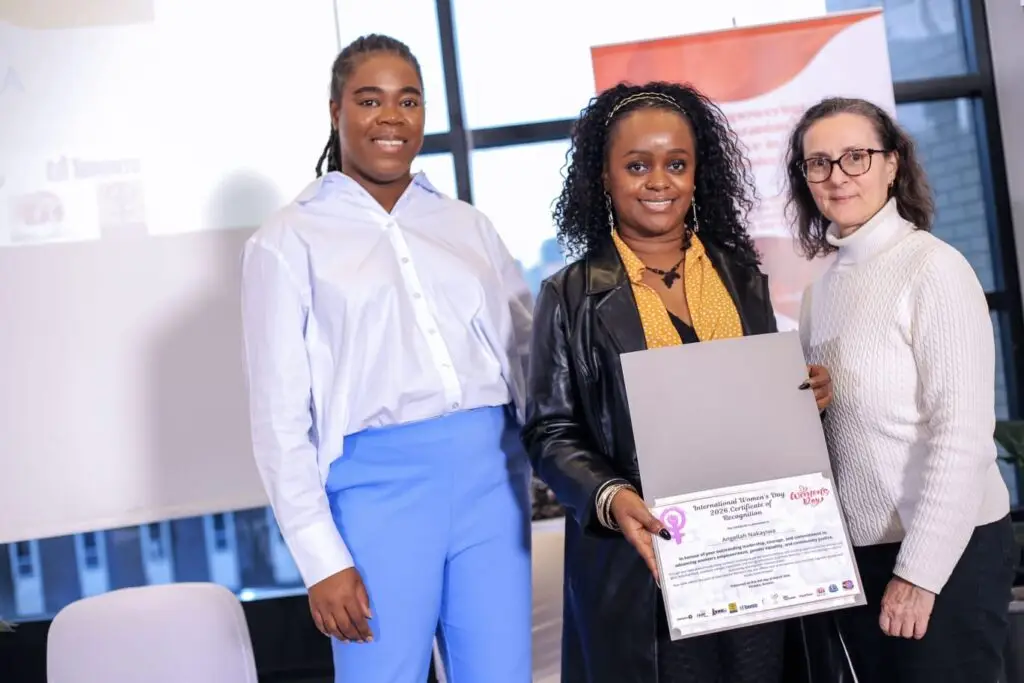
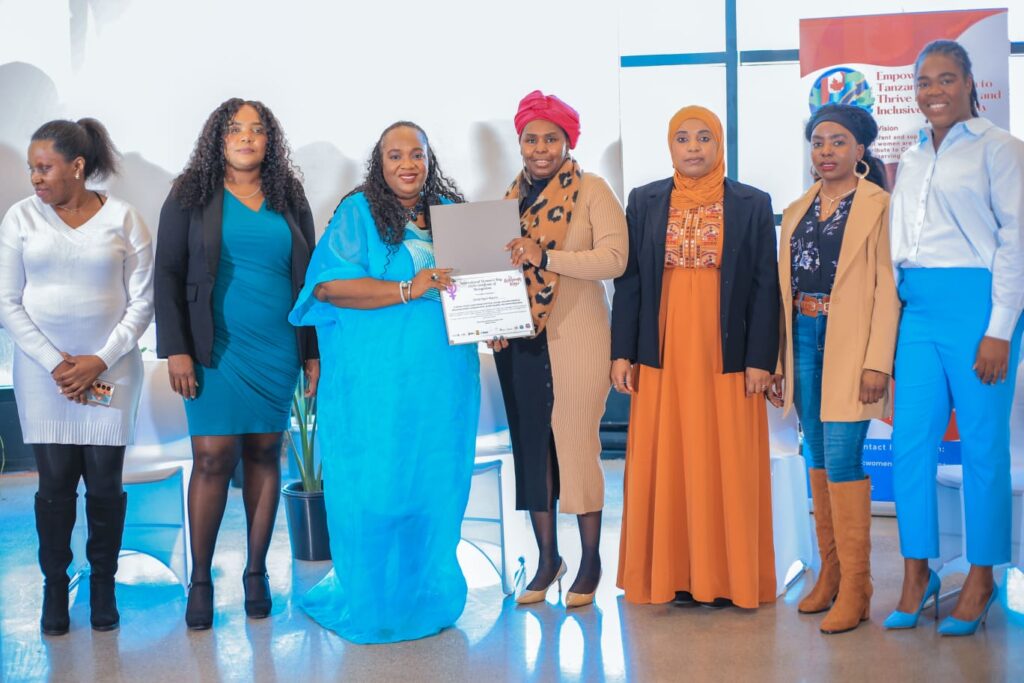
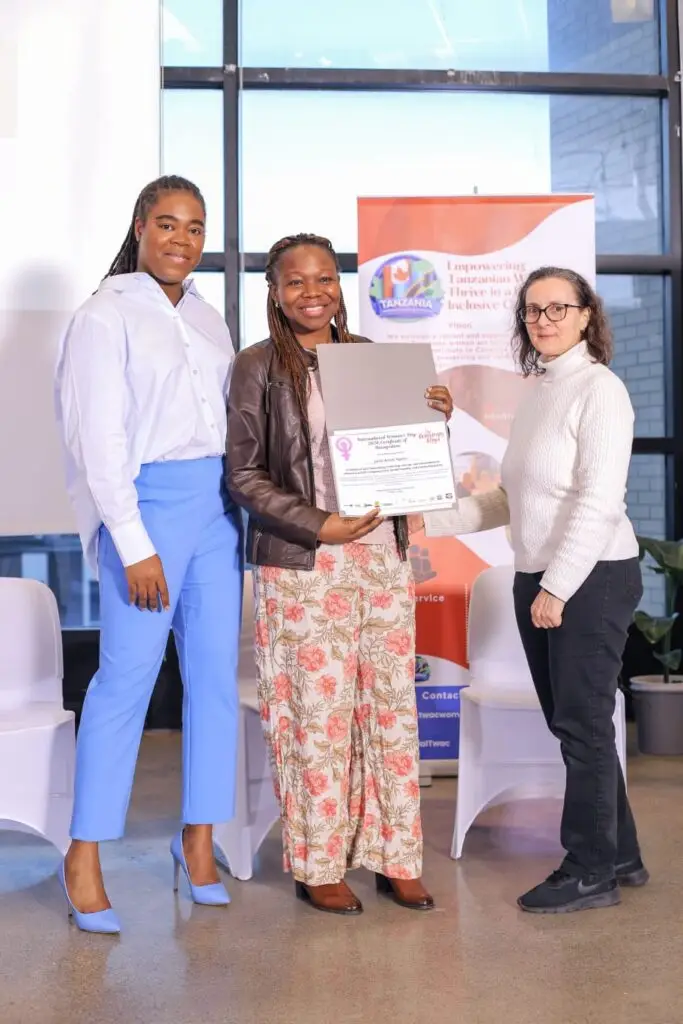
A central moment of the gathering was the presentation of the International Women’s Day 2026 Community Recognition Certificates, honoring extraordinary women leaders and community champions who are advancing gender equality, supporting survivors, and strengthening communities.
These remarkable women include: Susan Shumba from Southern African Women Support Centre, Southern African Settlement Support Centre, Maureen Njeri Gichanga, Winny Nafula, Sharon Jebichy, Lilian Tusiime Ainembabazi, Evelyn Emoriti and Shallot Katusabe from Hope for Refugees International, Fatma Ali Haji from the Tanzania Women Association in Canada, Nichola Williams from Canadian Centre for Women’s Empowerment, Janet Amito Nyekofrom Centre for Black Development Options, Angellah Nakayiwa from Fix It Flow Hub, Anna Xwexx Morena, Susan Nalwoga, Daphine Mugenyi Marunga from The Amara Girls Initiative, Mismak Taame Hagos from Crisis in Our City Network, Sheila Ngoli Akputa from PESBORD, Patricia Mokoosio and Pauline Mwangi from Kenya Women in Canada Association, Nester Tom and Joy Hawkins-Cole from Toronto People with AIDS Foundation and Shirley Gillett from the The I Do Project/Women Won’t Forget Network
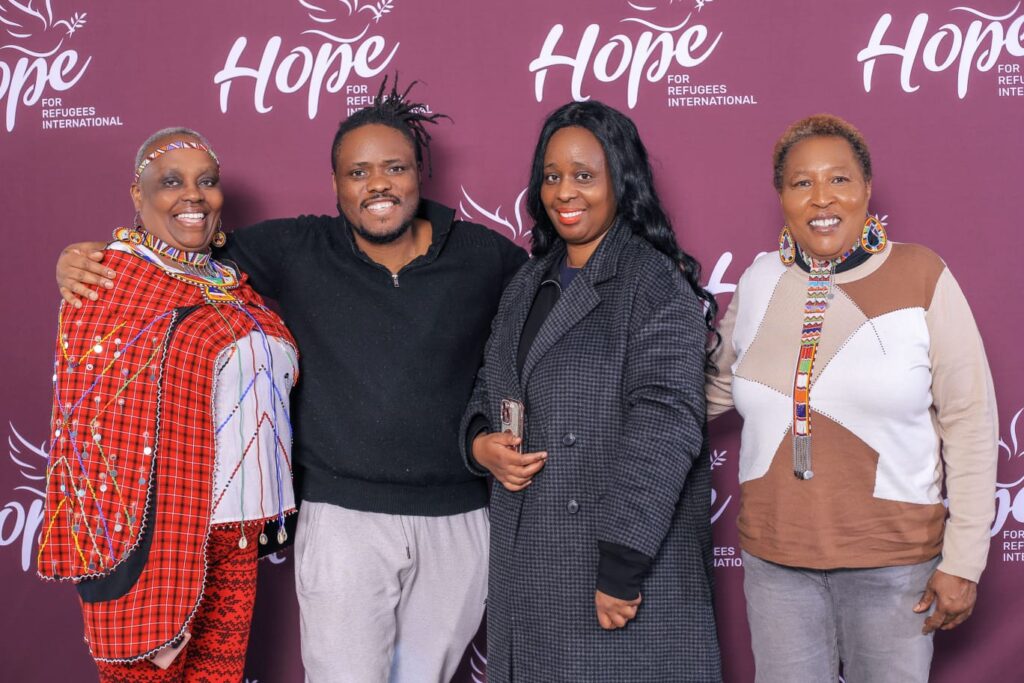
These leaders have demonstrated outstanding courage, compassion, and commitment to advancing justice, dignity, and opportunity for women and girls in all their diversity.
Their work reflects the spirit of International Women’s Day and reminds us that when women and allies rise together, communities grow stronger and justice moves forward.
Culture, Healing, and Community Celebration

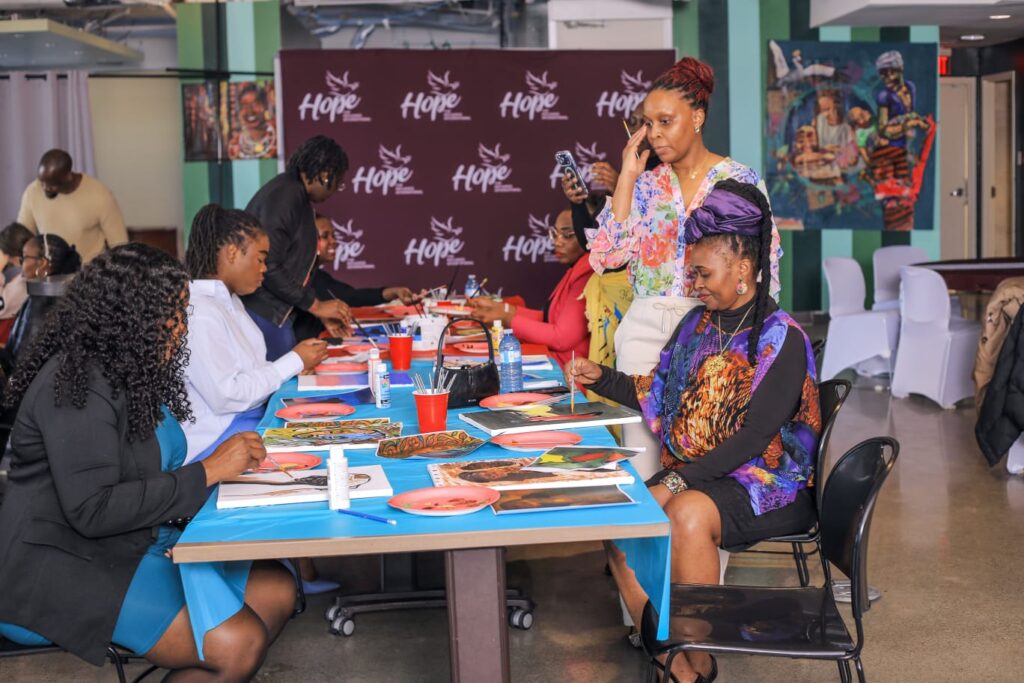
The celebration also included cultural and wellness activities that highlighted the strength and creativity of community women.
Participants enjoyed:
- Cultural performances featuring music, and traditional attire
- A vibrant community showcase of African cultural fashion
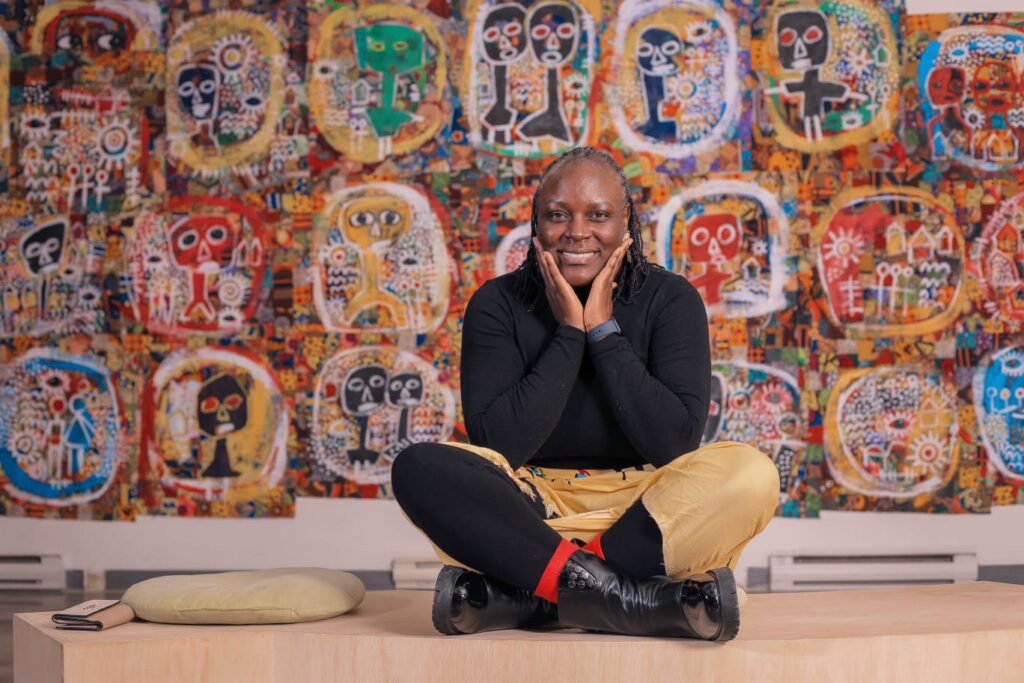
- Live painting and artistic expression promoting mental health and healing
- Exhibitions and vendor tables from community organizations
- Storytelling and lived-experience sharing
- Community calls to action
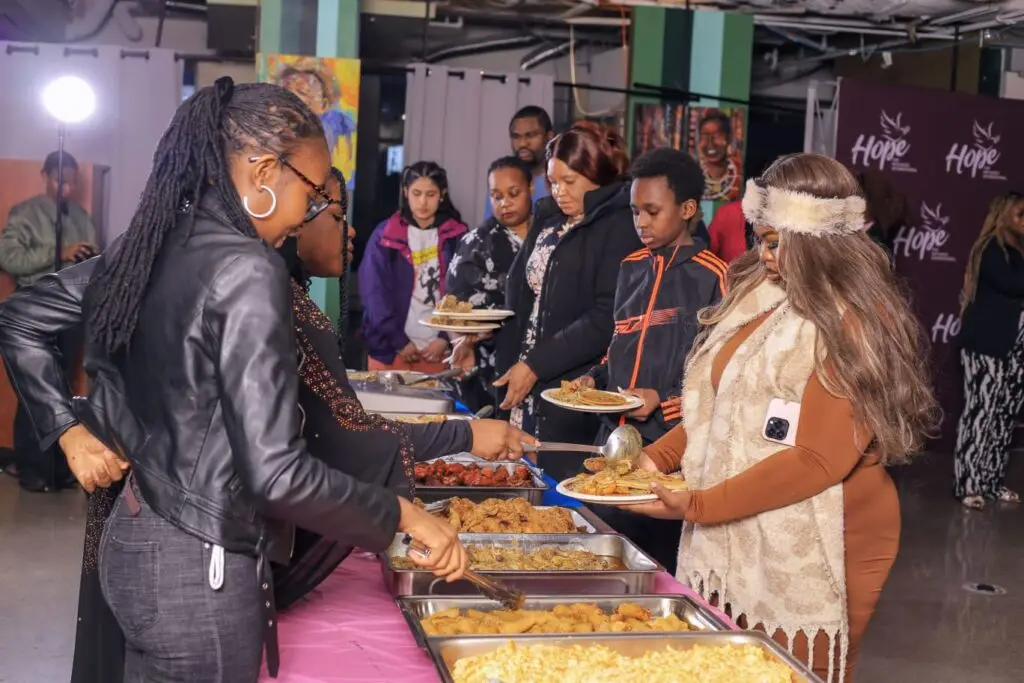
The evening concluded with a shared International Women’s Day community dinner, lovingly prepared by incredible women from the Tanzanian community.
A Community Petition for Change
One of the most powerful outcomes of the gathering was the launch of the International Women’s Day Community Petition, calling for governments and institutions to center the voices of Black, racialized, refugee, and marginalized women in policies and programs to end gender-based violence.
The petition calls for:
- Greater inclusion of marginalized women in policy design and decision-making
- Increased funding and capacity support for grassroots women-led organizations
- Investments in affordable housing, food security, and employment opportunities
- Stronger protections against gender-based violence and femicide
- Policies addressing systemic racism and discrimination
- Support for refugee and newcomer survivors of gender-based violence
The petition also urges governments to create formal advisory platforms where grassroots women leaders can directly inform gender equality policies and programs.
“International Women’s Day is not just a celebration—it is a call to courage. Investing in women is not charity; it is nation-building.”
— Pauline Mwangi, President, Kenya Women in Canada Association
Key Community Recommendations
Participants highlighted several important priorities moving forward:
1. Invest in Grassroots Leadership
Grassroots women-led organizations must be adequately funded and recognized for their frontline role in supporting survivors and communities.
2. Center Lived Experience in Policy
Policies addressing gender-based violence must be informed by women who directly experience these realities.
3. Increase Representation in Decision-Making
Black, racialized, refugee, Indigenous, and queer women must have meaningful representation in leadership and policy spaces.
4. Strengthen Community Partnerships
Collaboration between governments, institutions, and grassroots organizations is essential to building effective responses to gender-based violence.
5. Address Structural Inequalities
Issues such as housing insecurity, poverty, food insecurity, immigration precarity, and racism must be addressed as key drivers of gender-based violence.
6. Support Leadership Development for Women
Investment in mentorship, training, and leadership opportunities will empower women and strengthen community resilience.
7. Engage Men and Boys as Allies
Programs must include men and boys as partners in preventing violence and promoting gender equality.
A Call to Action
International Women’s Day is not only a celebration, it is a call to action.
The powerful voices shared during the International Women’s Day Community Gathering reminded us that real progress requires collective action, solidarity, and sustained investment in grassroots leadership.
We invite community members, organizations, and allies to join us by supporting the International Women’s Day Community Petition and advocating for policies that truly center the voices and leadership of marginalized women.
Together, we can build communities where all women and girls can live with dignity, safety, and opportunity.
Because when we give — through solidarity, investment, and action — we all gain.
Compiled by Patrick King Mwesigye – Director of Programs and Advocacy
Compiled by
Patrick King Mwesigye
Director of programs and Strategy