
Compiled by Patrick King Mwesigye
Founder and Director of Programs at Hope for Refugees International
Reclaiming belonging, safety, and visibility for LGBTQI+ refugees and newcomers in Canada
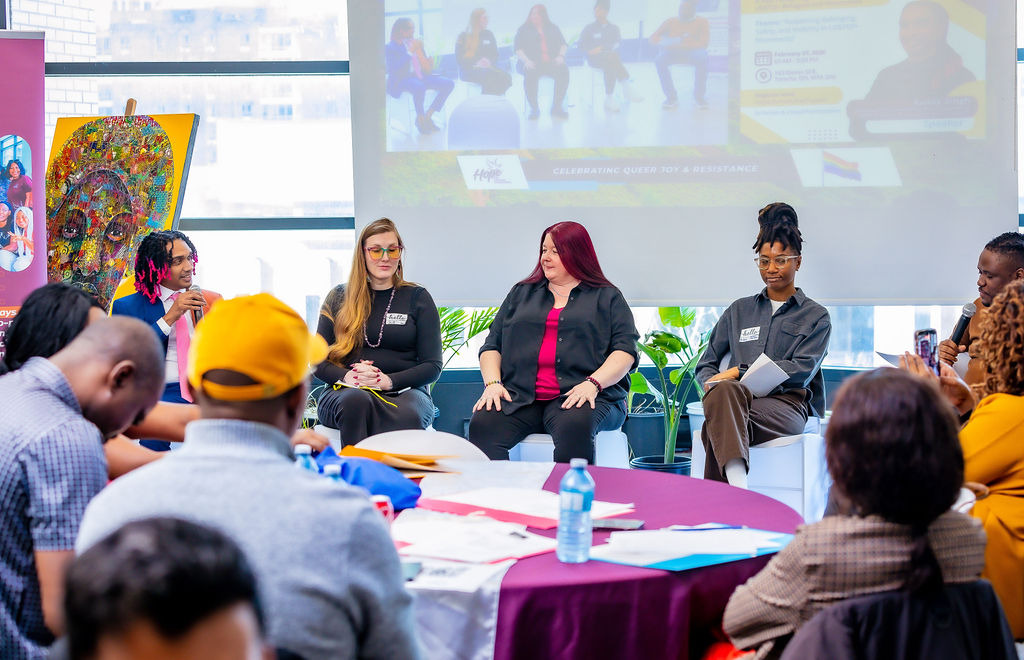
On Friday, February 27, 2026, Hope for Refugees International (HRI) hosted its annual Human Rights Day Symposium for LGBTQI+ refugees and newcomers under the powerful theme:
Celebrating Queer Joy & Resistance: Reclaiming Belonging, Safety, and Visibility in LGBTQI+ Movements.
Held in partnership with Fierté Canada Pride, The Enchanté Network, Rainbow Railroad, Pride Toronto, The 519, Metropolitan Community Church of Toronto, Uplift Black, Access Alliance, OCASI Positive Spaces Initiative, and TNG’s Rainbow Connect Program among other community partners, the symposium welcomed 102 participants both in person and online from across Ontario. Community leaders, Pride organizers, frontline settlement workers, advocates, policymakers, and queer refugees gathered in one shared space for reflection, dialogue, healing, and action.
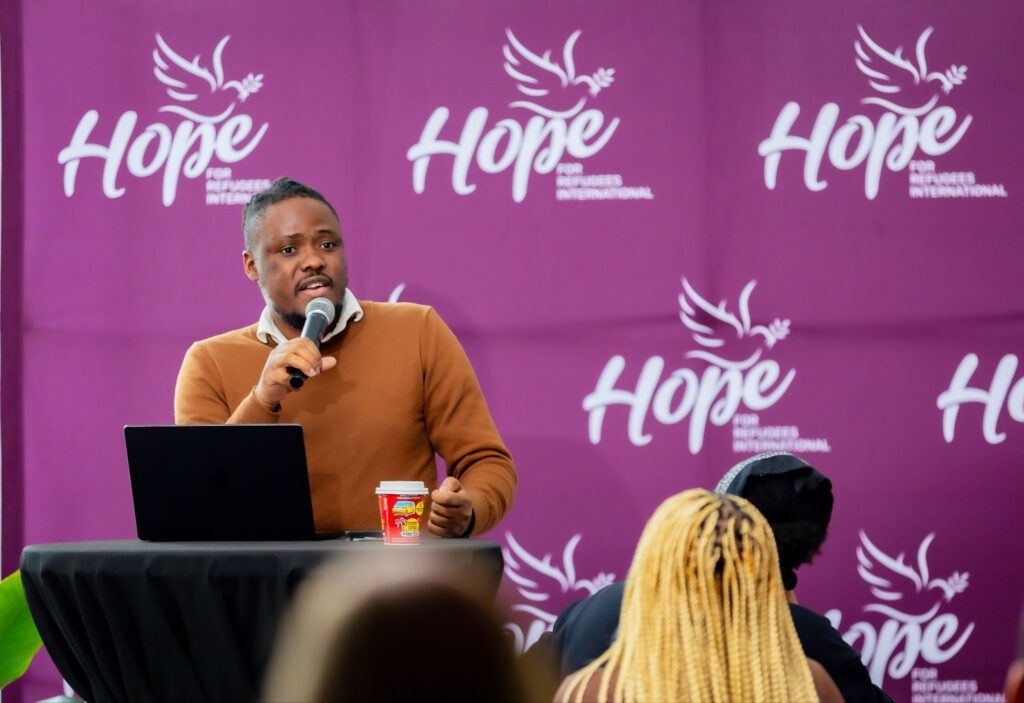
This year’s gathering intentionally centered joy as resistance. For many LGBTQI+ refugees and newcomers, survival has required navigating violence, displacement, and exclusion. Yet our communities are not defined by trauma alone. We are defined by leadership, creativity, courage, and collective strength. The symposium created space to honor both lived realities: the struggles we have endured and the power we continue to build.
Pride Beyond Borders
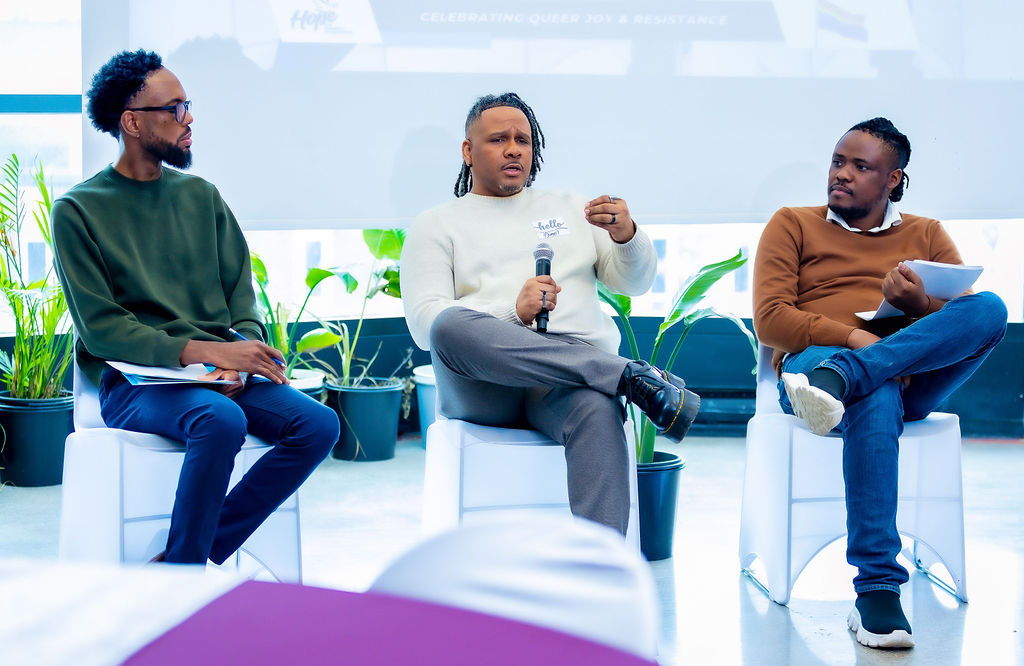
The first plenary session, Pride Beyond Borders: Reclaiming Belonging in LGBTQI+ Movements, invited participants to critically reflect on inclusion within Pride and broader LGBTQI+ advocacy spaces. Speaking during this session Osmel Guerra Maynes – Director, Development & Community Engagement, Pride Toronto, Patrick Mwesigye – Director of Programs and Founder Hope for Refugees and Kenyatta Barnaby the Human Rights & Community Outreach Manager MCC Toronto’s Paul Austin Human Rights Centre explored the lived intersections of migration, queerness, and activism, and engaged in an honest conversation about the difference between symbolic representation and shared power while centering the voices and leadership of LGBTQI+ refugees and newcomers and Pride leaders and community organizers.
Panelists emphasized that true inclusion requires more than invitations to speak on panels. It requires access to decision-making tables, governance roles, and leadership pathways. Participants discussed the importance of recognizing refugees’ expertise beyond personal storytelling and ensuring compensation and accountability in leadership engagement. The conversation reinforced a key message: Pride must remain rooted in liberation and justice, not just celebration.
Joy as Resistance
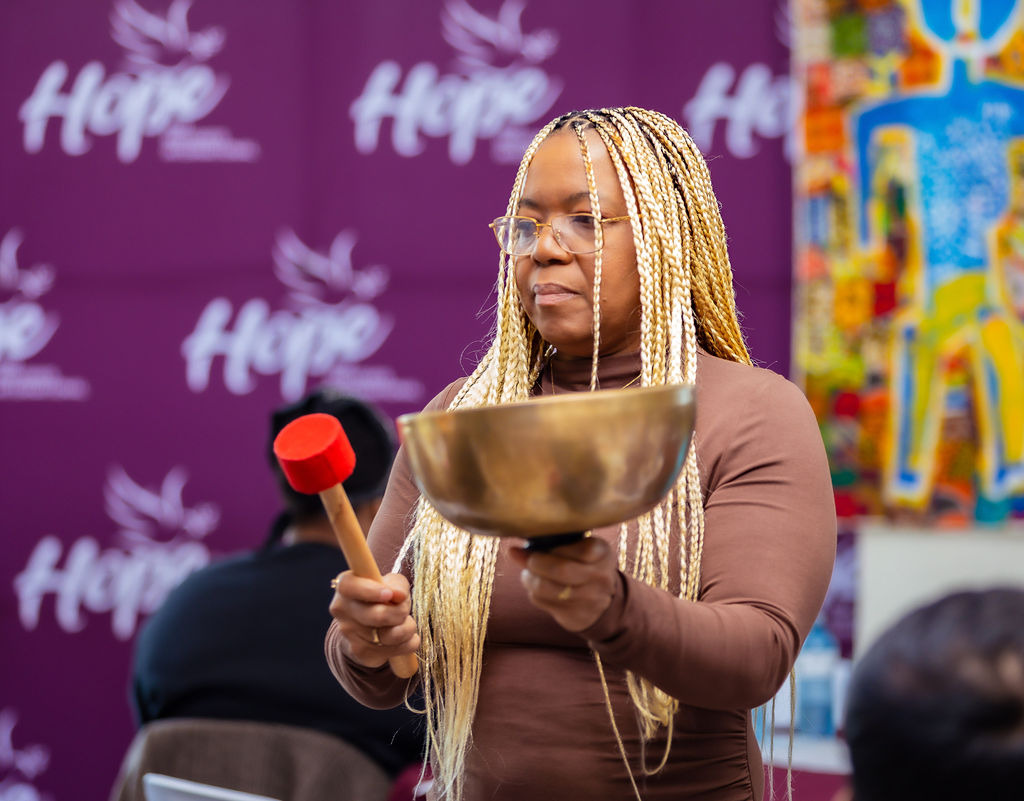
The second plenary session opened with a grounding sound bath and wellness moment, led by Lindy-Ann Barrow from the IJIDIDE Holistic Healing Inc, which created a healing and reflective atmosphere. In Joy as Resistance: Healing and Leading Through Lived Experience, speakers Ricardo Simpson from Rainbow Railroad and reflected on how joy functions as a political and transformative force.
Joy, participants noted, is not a denial of pain. It is an intentional act of survival. While speaking during the session, Palavi Suresan – Access Alliance’s Among Friends LGBTQI+ Refugee Program noted that joy allows queer refugees and newcomers to reclaim agency and define themselves beyond narratives of victimhood.
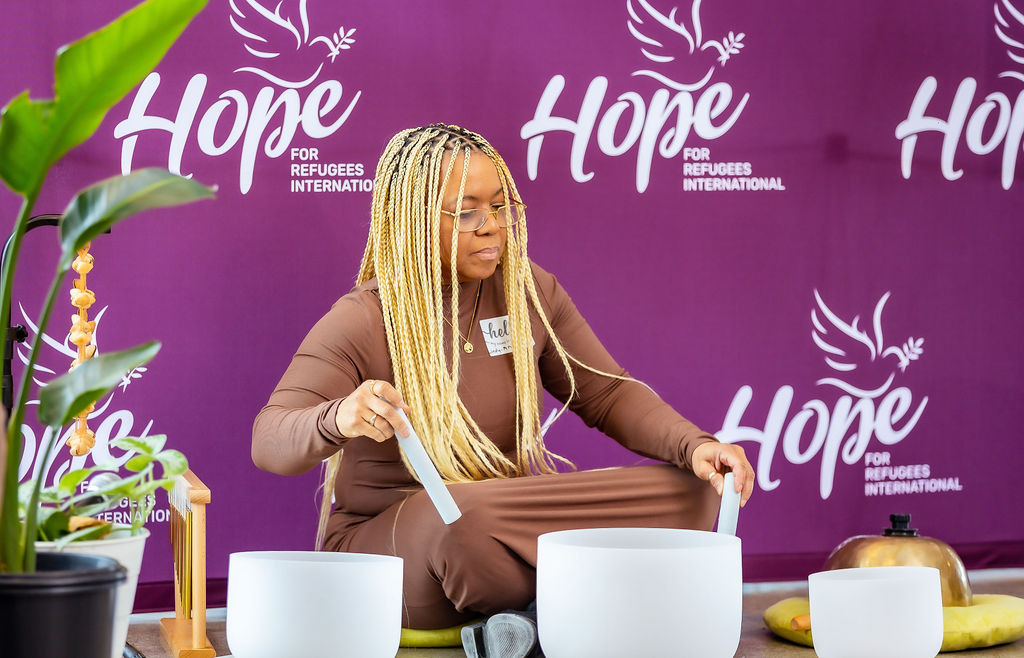
The session explored how leadership rooted in lived experience strengthens movements and how community spaces must balance advocacy with care. The room was filled with stories of resilience, humor, creativity, and hope, reminding us that healing and organizing can coexist.
From Tokenism to Shared Leadership
The afternoon roundtable sessions deepened the conversation by examining systemic barriers that limit the participation and leadership of queer refugees and newcomers within LGBTQI+ organizations and advocacy spaces. Through guided dialogue and collective reflection, speakers and participants explored the difference between tokenistic representation and meaningful participation and recognition, centering the lived experiences and expertise of queer refugees and grassroots community leaders while engaging Pride organizers and movement allies in accountability-based discussions.
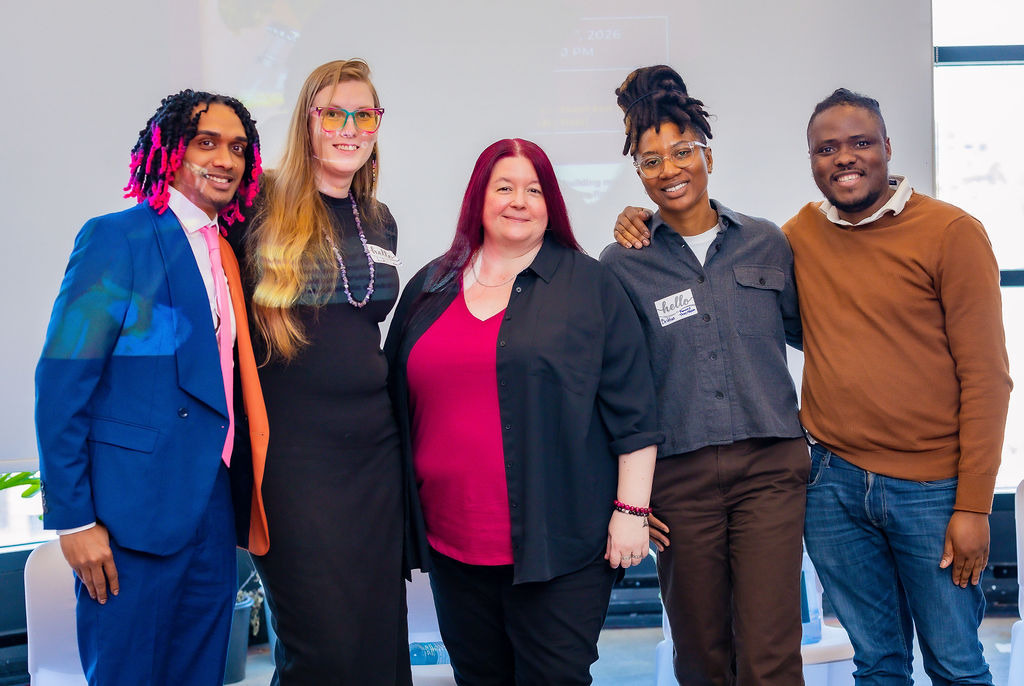
Jade Pichette of Pride at Work Canada emphasized that true belonging means not only being invited into spaces but also having the opportunity to help shape and lead them. Brittan Hudson of The Enchanté Network highlighted the importance of building genuine partnerships with grassroots organizations and ensuring equitable access to resources and decision-making. Randy Singh from Uplift Black shared the risks of forced visibility and the importance of compensating refugees for sharing their stories, while Chandra-Li Paul of the Ontario Federation of Labour reflected on lessons from labour and women’s rights movements, including the importance of equal voting power and designated leadership roles for marginalized communities.
Participants emphasized that meaningful inclusion requires structural change, including paid mentorship opportunities, governance training, advisory councils with real influence, and clear pathways for refugees and newcomers to transition into leadership roles within organizations.
Breaking Barriers – Enhancing Participation of Queer Refugees in Community Leadership
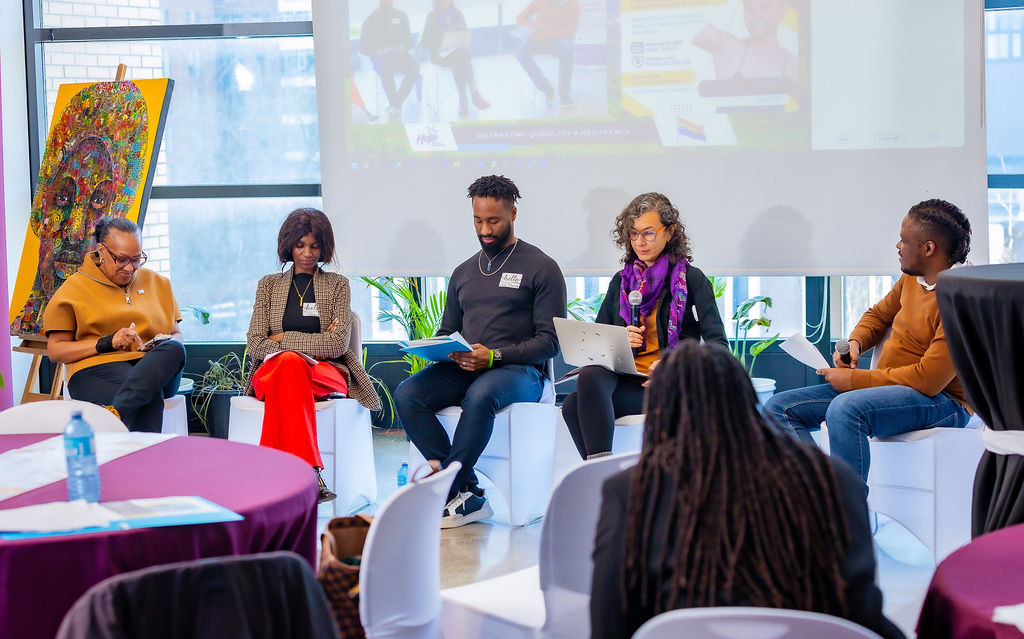
The final roundtable session focused on examining the systemic barriers that limit the participation and leadership of queer refugees and newcomers within LGBTQI+ organizations, Pride committees, and broader civic spaces. Participants highlighted that although many refugees possess strong leadership potential and lived expertise, barriers to participation are often structural rather than individual. These barriers include funding limitations, language access challenges, institutional gatekeeping, discrimination, and unequal power dynamics within organizations.
Speakers including Dr. Wesley Crichlow (Black LGBTQI Justice Canada), Nicholas Mnayana (Rainbow Connect Program, TNG), Onar Usar and Hazim Ismail (OCASI), Nuru Mughenyi (Hope for Refugees International), and Lisa Duplessis (The 519) emphasized the need for organizations to move beyond symbolic inclusion toward genuine shared leadership. Discussions highlighted the importance of addressing anti-Black racism and transphobia, strengthening mentorship and leadership development opportunities, and creating clear pathways for refugees and newcomers to engage in governance and decision-making roles.
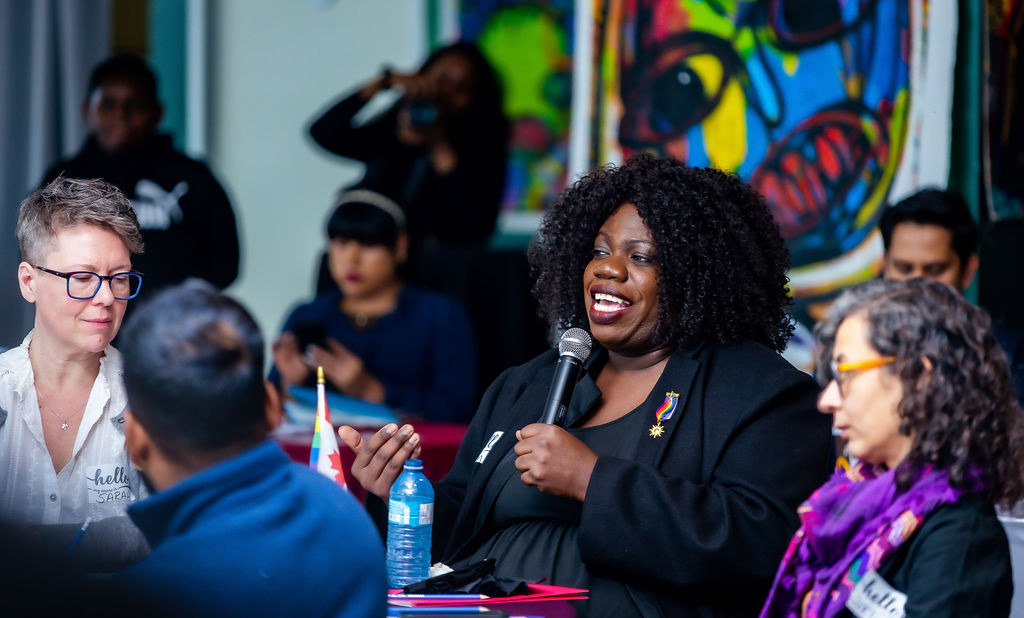
Participants also proposed practical strategies to support leadership participation, including compensating advisory roles, offering governance and leadership training, establishing mentorship programs, and creating transitional employment opportunities for newcomers still navigating settlement challenges.
Advancing a National Training Toolkit
A central objective of the symposium was to gather feedback for Canada’s first National Training Toolkit on Meaningful Participation and Safety of Black and Racialized LGBTQI+ Refugees and Newcomers in Pride and LGBTQI+ Spaces.
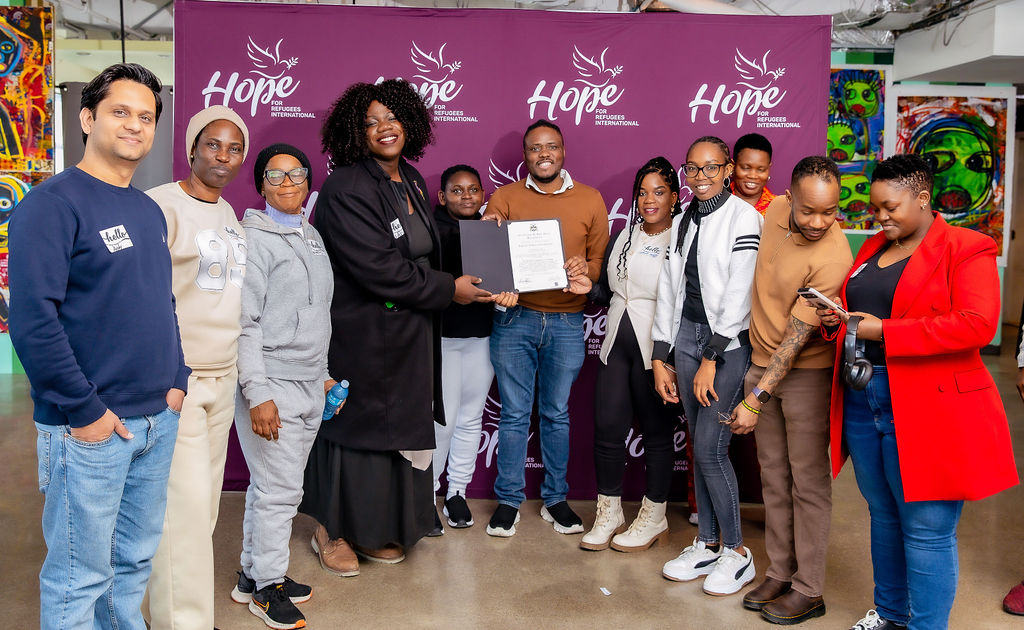
The toolkit aims to address critical gaps in safety planning, leadership inclusion, and trauma-informed engagement. It will provide practical guidance for Pride organizers, LGBTQI+ organizations, settlement agencies, policymakers, and funders seeking to build safer and more accountable spaces. Through structured consultation sessions and a community survey, participants contributed lived-experience insights and frontline expertise that will directly inform the toolkit’s development.
To date, 25 responses have been received through the consultation survey, with additional outreach ongoing. The feedback will be integrated into a structured community safety framework tailored to the realities faced by Black and racialized LGBTQI+ refugees and newcomers.
What Comes Next
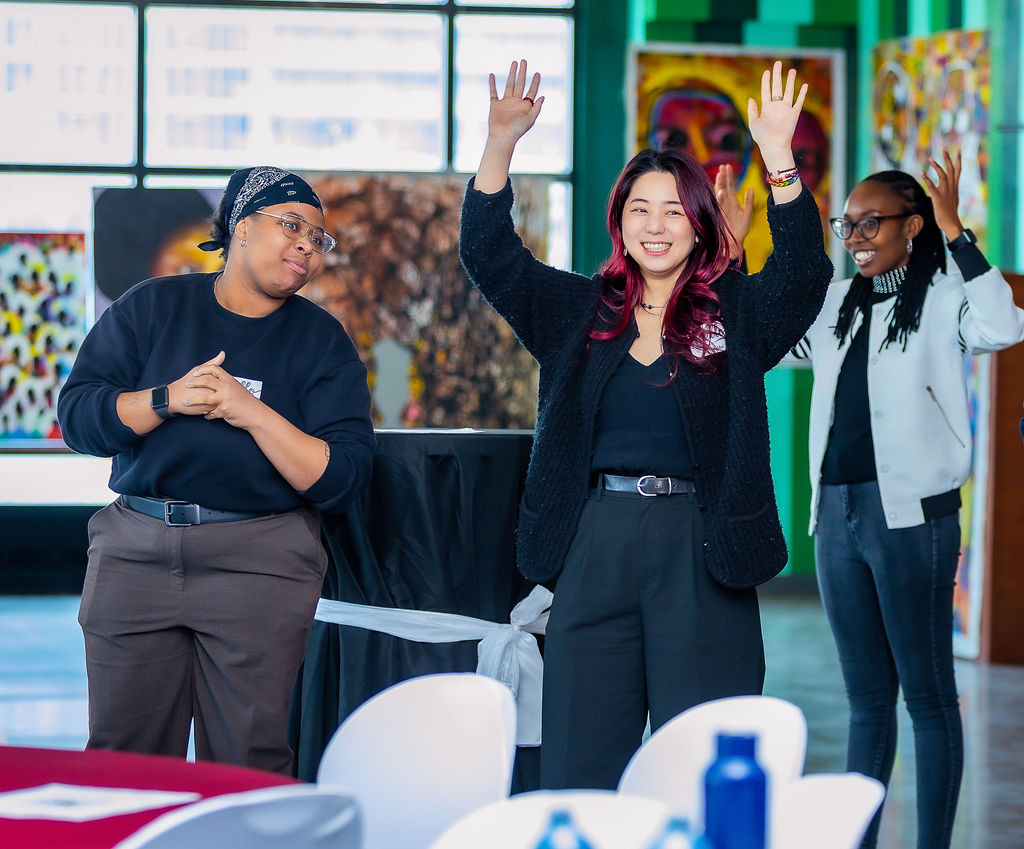
The symposium was not simply an event, it was a call to action.
Participants left with a shared understanding that safety must be intentional, leadership must be shared, and belonging must be built into the structures of our organizations. As we continue developing the national toolkit, we remain committed to ongoing consultation, partnership, and accountability.
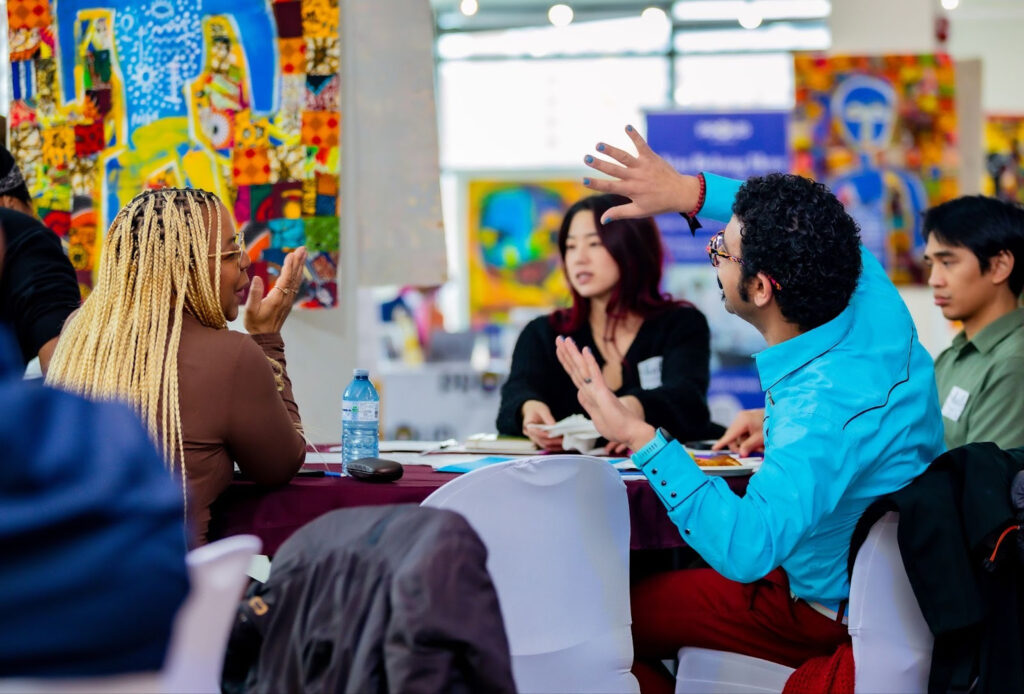
At Hope for Refugees International, we believe that queer joy is resistance. We believe that refugee leadership strengthens movements. And we believe that Pride spaces across Canada can and must evolve to ensure safety, dignity, and meaningful participation for all.
The work continues. And we move forward together.